A multinational team aboard the RV Belgica tested survey technologies at Dutch North Sea sites associated with Second World War legacy munitions. Although no suspected object was confirmed as munition, the cruise delivered valuable reference data for development of technologies, testing of workflows and strengthening European collaboration for safer, more efficient seabed surveys.

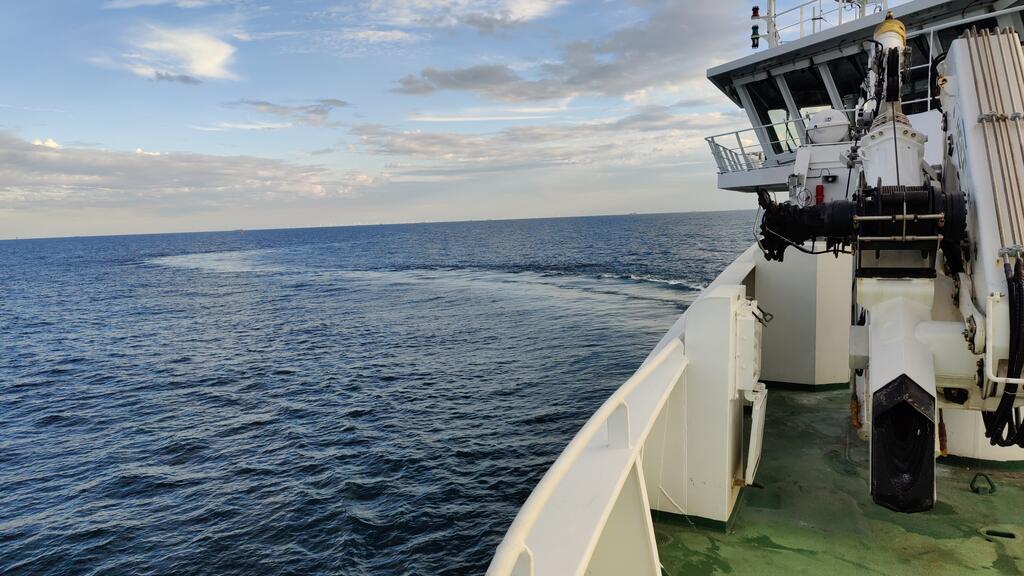
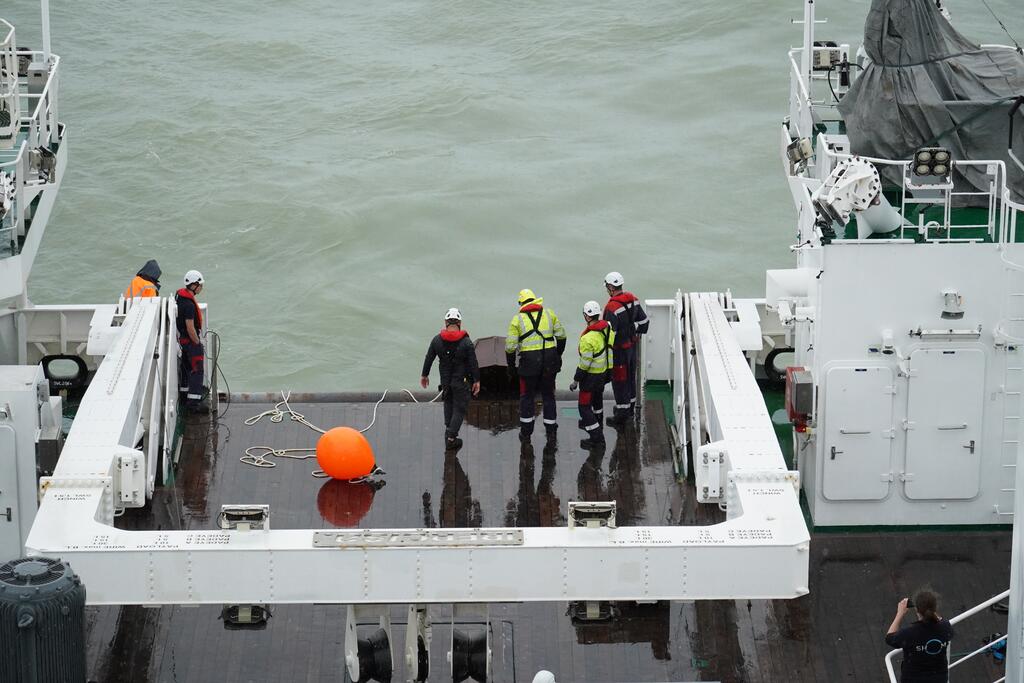
RV Belgica is Belgium's modern, 71-metre floating laboratory, succeeding the former RV A962 Belgica, which served from 1984 to 2021. The Belgica belongs to the Royal Belgian Institute of Natural Sciences (RBINS) and is operated by the Belgian Federal Science Policy Office (BELSPO), supported by a Belgian Navy bridge crew. Operated for multidisciplinary marine science, the vessel can map seabed and sub-seabed, and deploy autonomous and remotely operated vehicles.
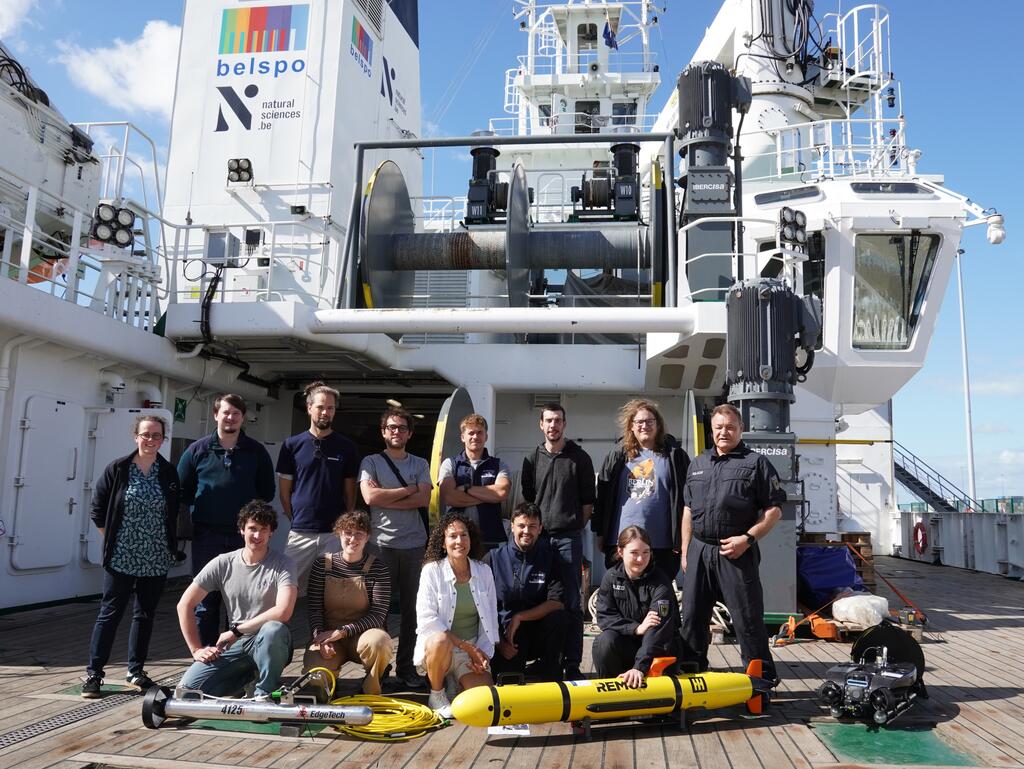
Scientists from Belgium, France, Germany and Italy joined the RV BELGICA cruise 2026-20 for a shared mission at historic dumping sites near IJmuiden and Maas Nord in the Netherlands. The scientific goals brought together the Royal Military Academy (RMA), GEOMAR Helmholtz Centre for Ocean Research Kiel, German federal police - "Bundespolizei" (BPOL), and the Hydrographic and Oceanographic Service of the Navy (SHOM).
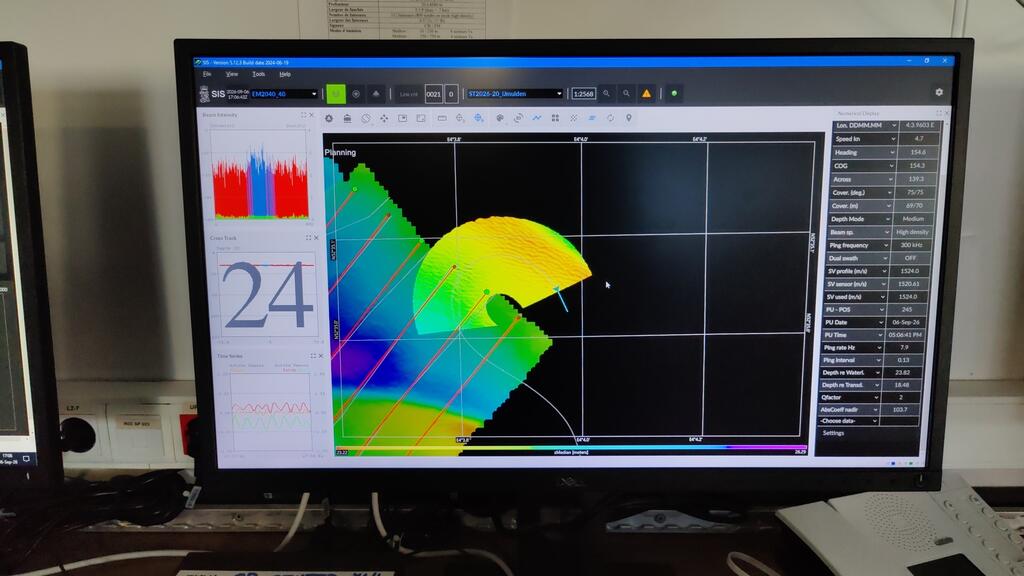
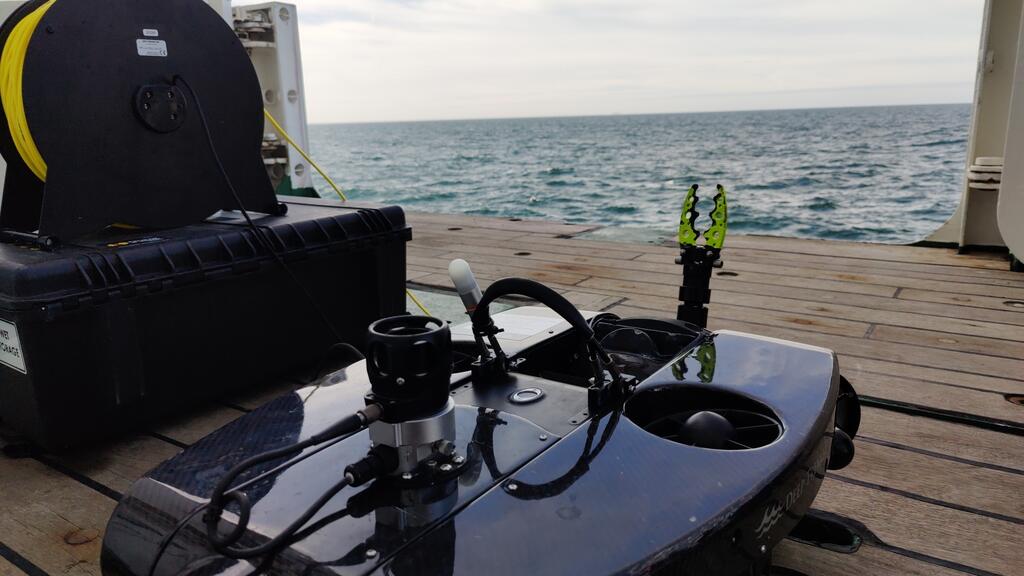
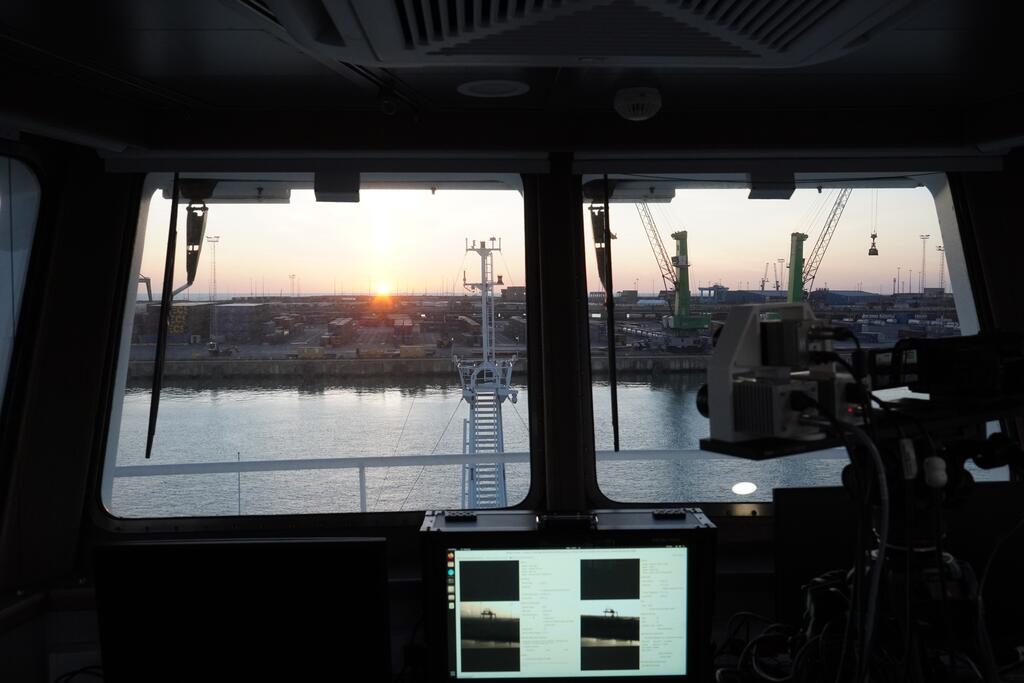
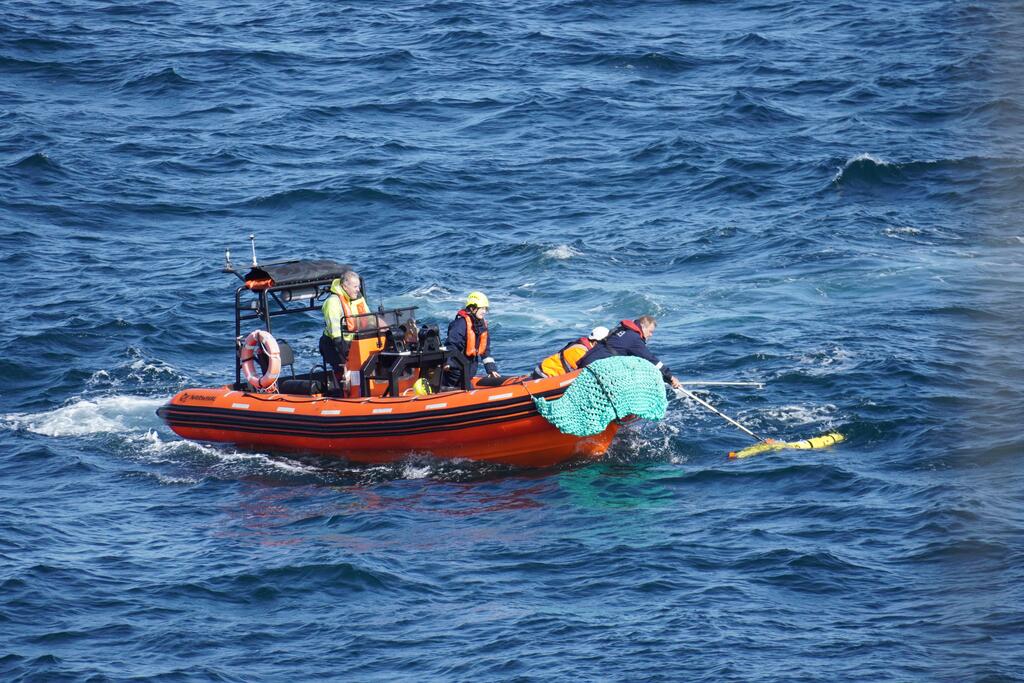
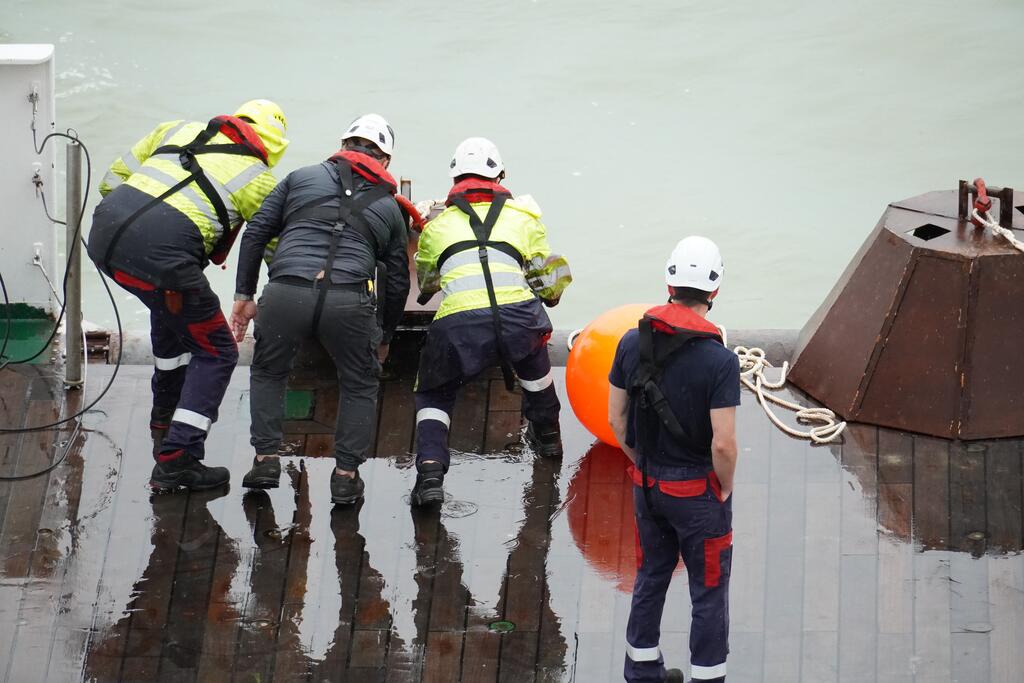
Eight linked research activities represented the EU funded projects MMinE-SwEEPER, CAMMera and BorDex. Teams combined the ship's multibeam echosounder (MBES) and sub-bottom profiler (SBP) with towed side-scan sonar (SSS), an autonomous underwater vehicle (AUV) with SSS and a remotely operated vehicle (ROV) with forward-looking sonar, and Short Wave Infrared (SWIR) cameras for recording ship signatures. Next to the suspected munition sites in Dutch waters, three dummy mines provided known targets against which the systems and detection workflows could be tested. The central aim was to build the high-quality datasets needed to train and evaluate algorithms that can detect and classify possible underwater munition and training data for the development of AI-based acoustic interpretation methods.
The cruise tested every planned system and successfully recorded data over the munition sites and the testing ground with dummy mines. At IJmuiden the team searched 4 reported targets and a wreck: side-scan sonar identified two anomalies, while ROV inspections did not confirm any as munition. At Maas Nord multibeam data did not identify any suspicious targets, including the 4 reported objects. Both areas were around 1 km² in size. Across the campaign, three synchronised short-wave infrared cameras recorded 215 ship-signature sequences from 113 identified vessels. Just as importantly, the teams compared data-acquisition and processing workflows across platforms, sensors and institutions. These practical trials are an important way to validate technologies under real sea conditions and build cooperation across countries.
None of the targets was confirmed as munition, but the mission was a success nonetheless. The cruise produced valuable reference data, demonstrated interoperable technologies and sharpened the workflows needed for future surveys of submerged munition. It also demonstrated the complexity of finding sparse munition and the influence of currents, tides and the implied sediment movement, since objects can be moved, covered and uncovered within one day. Next, the partners will process and compare the datasets, use them to train and test detection algorithms, and apply the lessons to future mapping campaigns. This collaborative work supports MMinE-SwEEPER's wider goal: turning advanced science and shared European expertise into practical, evidence-based options for managing marine munitions.